Monday, January 14, 2013
Tuesday, January 8, 2013
websites.
B&W landscapes:
http://digital-photography-school.com/27-black-and-white-landscape-images
22. Briefly
describe what you looked at on the website (2-3 sentences, make sure
you write enough to really make it clear that you spent time looking at
the website).
i In this website i looked at black and white landscapes... hints the title... But i saw the rules of photography in all the photographs so i'm starting to use what i know about photography to judge how the photographer to the picture.
33. What did you learn new?
I honestly didnt learn anything new all i did was look at some pictures.
54a. If you have a photo to post, please answer the following questions:
a. Why did you pick this photo?
I picked this photo because i love how the mountains are separated but the clouds fill that space.
b. What rules of photography do you see in the photo?
balance
c. Who took the photo?
Oscar Ordenes
97. If you were directed to a site that you cannot answer any of the questions above, please do the following:
a. What did you see on the website, describe it in 2-3 sentences?
Basically all i saw on this website was really cool black and white landscape pictures. but i also saw new and different ways to take landscape pictures.
b. What did you learn?
I learned nw ways to take landscape pictures
c. How did the site relate to photography?
this related to photography because it has photography photos...
NYC by bike
2. Briefly
describe what you looked at on the website (2-3 sentences, make sure
you write enough to really make it clear that you spent time looking at
the website).
On this website i looked at cool photos of the camera being attached to a bike. i think this was cool and interesting
3. What did you learn new?
i learned that you can attache your camera to a bike. i didn't know you could do that before i looked at this website.
4a. If you have a photo to post, please answer the following questions:
a. Why did you pick this photo?
i like this photo in particular because i really like the way the shoe looks being completely honest..
b. What rules of photography do you see in the photo?
Simplicity
c. Who took the photo?
Tom Olesnevich
GoPro Hero3 Camera-
2. Briefly
describe what you looked at on the website (2-3 sentences, make sure
you write enough to really make it clear that you spent time looking at
the website).
In the website i saw a video of a person doing crazy stunts that looked really scary.
3. What did you learn new?
i learned that people are very stupid and do extremely crazy things !
86. If you looked at a video, please do the following:
a. Describe what you saw in the video.
a person with a video camera attached to his helmet ad he did some crazy things on his bike.
d. What did you learn new?
i learned how to take videos with a camera attached to a helmet
The dead tree-
http://www.flickr.com/photos/kevinday/sets/775271/
Lens Flare-
http://www.lightstalking.com/lens-flare
The dead tree-
http://www.flickr.com/photos/kevinday/sets/775271/
22. Briefly
describe what you looked at on the website (2-3 sentences, make sure
you write enough to really make it clear that you spent time looking at
the website).
on this website i obviously looked at pictures of dead trees.... But this pictures were really good photography photos of dead trees. I can tell the photographer really seared for unique ways to take pictures of dead trees.
33. What did you learn new?
when i was looking at the pictures, i saw new ways of taking pictures from different angles to the photograph turns out cool.
54a. If you have a photo to post, please answer the following questions:
a. Why did you pick this photo?
I picked this picture because i loooooove the sunset.
b. What rules of photography do you see in the photo?
Balance
c. Who took the photo?
Kevin Day
http://www.lightstalking.com/lens-flare
22. Briefly
describe what you looked at on the website (2-3 sentences, make sure
you write enough to really make it clear that you spent time looking at
the website).
In this website i looked at pictures with lens flares. I saw creative ways you can make the picture look cool when you have a lens flare in the picture
33. What did you learn new?
I learned how you can get a lens flare in the picture without it being an accident.
54a. If you have a photo to post, please answer the following questions:
a. Why did you pick this photo?
I like this because i like the silhouette of the people.
b. What rules of photography do you see in the photo?
simplicity
c. Who took the photo?
Christian Holmer
Wednesday, December 19, 2012
Thursday, December 13, 2012
Friday, December 7, 2012
Architecture Intro
3 favorite tips:
1.) When the sun goes down a new form of architectural photographer can surface. To shoot a structure as a silhouette during sunset, position the architecture between yourself and the sun. Make sure the flash is deactivated and expose for the sky. If the foreground is too light set the exposure compensation to a negative value to darken it. This effect can produce particularly enigmatic results. Night shots can be very dramatic and atmospheric too, but remember to take them when there is still some light and colour left in the sky as this adds tone to the backdrop and help to illuminate details. As before get into a good position and set your camera on a tripod and wait for the dazzling display of urban lights from windows, street lights, signs – all of these in their rainbow of neon colours will add to the ambience. Use a wide aperture and long exposure, and if your camera is supported you’ll be able to employ a low ISO to ensure details aren’t depreciated by noise.
1. Why did you pick this photo (be specific and write at least a paragraph)?
2. Reflect on the lighting - where is it coming from, what time of day do you think the photo was taken, what is the light source, is the lighting good enough, what would you do if you had to light that type of source.
3. Reflect on the angle the photo was taken - where was the photographer standing in relation to the subject, what did the photographer have to do to achieve that angle, is the entire subject in the photo, do you think there is another angle that would have been better, where would that be and how would you achieve that photo
4. Reflect on the composition - are there rules of photography evident, do the traditional rules of photography apply to architecture photography, how can one get some of those traditional rules of photography involved in an architecture photo.
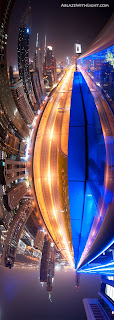
3.) For this photo, there was no specific angle because this picture is a 180 degree picture.
4.)This specific photo does not have any rules of photography. But i do believe that you can get the rules of photography in a different architecture photo. All you have to do if fallow the rules, and also follow the rues of architecture photography.
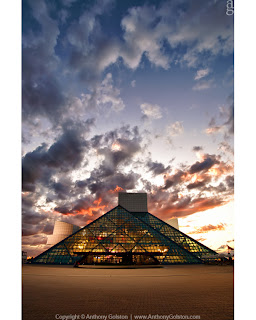
1.) When the sun goes down a new form of architectural photographer can surface. To shoot a structure as a silhouette during sunset, position the architecture between yourself and the sun. Make sure the flash is deactivated and expose for the sky. If the foreground is too light set the exposure compensation to a negative value to darken it. This effect can produce particularly enigmatic results. Night shots can be very dramatic and atmospheric too, but remember to take them when there is still some light and colour left in the sky as this adds tone to the backdrop and help to illuminate details. As before get into a good position and set your camera on a tripod and wait for the dazzling display of urban lights from windows, street lights, signs – all of these in their rainbow of neon colours will add to the ambience. Use a wide aperture and long exposure, and if your camera is supported you’ll be able to employ a low ISO to ensure details aren’t depreciated by noise.
2.)Unlike other forms of photography, exciting architectural images can be
produced in all weathers. A church on a clear day may strike the viewer
as pleasant but maybe a bit bland, revisit it when there’s a storm
brewing overhead or a mist rising from the damp earth and the results
can be altogether more intriguing. By revisiting and shooting the same
building in these various weather conditions, photographer’s can produce
a neat portfolio of shots – maybe select the best three and you’ll
3.)Reflections add an extra dimension to architectural images and allow the
photographer to create a canvas on which the building can be playfully
distorted. Urban environments are littered with a multitude of
reflective surfaces, so you’ll never have to look too far to practice,
for example: windows, water features, puddles and wet streets,
sunglasses, rivers and modern art.
1. Why did you pick this photo (be specific and write at least a paragraph)?
2. Reflect on the lighting - where is it coming from, what time of day do you think the photo was taken, what is the light source, is the lighting good enough, what would you do if you had to light that type of source.
3. Reflect on the angle the photo was taken - where was the photographer standing in relation to the subject, what did the photographer have to do to achieve that angle, is the entire subject in the photo, do you think there is another angle that would have been better, where would that be and how would you achieve that photo
4. Reflect on the composition - are there rules of photography evident, do the traditional rules of photography apply to architecture photography, how can one get some of those traditional rules of photography involved in an architecture photo.
3.) For this photo, there was no specific angle because this picture is a 180 degree picture.
4.)This specific photo does not have any rules of photography. But i do believe that you can get the rules of photography in a different architecture photo. All you have to do if fallow the rules, and also follow the rues of architecture photography.
2.) The light is coming from behind the building and it is natural light. This picture was taken right as the sun was going down so probably around 6pm. I think the lighting is perfect.
Monday, December 3, 2012
14 hour shoot/ compositions
Composition:
![]() |
| Circular composition |
![]() |
| Circular composition close up |
![]() |
| Rule of thirds |
![]() |
| Rule of thirds close up |
![]() |
| Leading lines close up |
![]() |
| Leading lines |
![]() |
| Vertical lines |
![]() |
| Vertical lines close up |
![]() |
| Balance |
![]() |
| Balance close up |
![]() |
| Contrast of content |
![]() |
| Contrast of content close up |
![]() |
| Rhythm |
![]() |
| Rhythm close up |
![]() |
| Light as the subject |
![]() |
| Light as the subject close up |
![]() |
| S-curve |
![]() |
| S-curve close up |
![]() |
| Frame inside of a frame |
![]() |
| Frame inside of a frame close up |
Subscribe to:
Posts (Atom)